

Layered Light, Lasting Calm

Today we explore layered lighting plans for a calm, refined interior, blending ambient, task, and accent strategies so every room feels composed from dawn to dusk. You’ll discover gentle ways to lower glare, warm the palette, and shape mood with intention. Join the conversation, ask questions, and share your photos so we can refine your space together with clarity and care.

Build the Base: Ambient Glow That Sets the Tone

Begin with the quietest layer, because the overall glow frames everything else and shapes the first impression of comfort. Think cove lighting, soft downlights, and shaded floor lamps working together to reduce harsh contrasts. When the base is gentle, colors read richer, ceilings feel higher, and your breathing naturally slows after a long day.

Ceiling Strategies That Breathe Even Light

Avoid the blinding single fixture and distribute light so it washes evenly, never shouting. Use well-spaced, low-glare downlights with wide beams, paired with a few decorative pieces that anchor the room. A homeowner once said their evenings calmed instantly after replacing one bright dome with consistent, dimmable ceiling light that simply supported conversation.

Coves and Wall Washers for Soft Edges

A floating ribbon of light tucked into a cove lifts the ceiling and softens corners. Wall washers flatten harsh shadows, revealing paint texture and artwork without introducing drama. These techniques widen rooms visually, make dark corners feel intentional, and create a gentle horizon line that guides the eye with respectful subtlety.

Dimmer Maps for Quiet Transitions

Install dimmers on each ambient zone to create quiet transitions throughout the day. Morning can welcome higher levels for clarity, then taper toward warm, low evening scenes. Create a simple map: living perimeter, center ceiling, and decorative lamps on separate controls. Your routine gains elasticity, allowing calm to unfold without effort.

Kitchen Precision Without Harshness

Under-cabinet strips aimed toward the backsplash minimize glare while evenly lighting the countertop. Add a modest output linear in a shallow channel to avoid hot spots. A client who once chopped beneath a ceiling flood now praises shadow-free prep zones. The room remains calm because only the work surface gets strong illumination.

Home Office Focus With Eye Comfort

Layer a desk lamp with wide, diffuse spread over a moderate ambient background so screens don’t stare from a dark void. Aim for reduced contrast, not brightness. A 3000K source with good glare control sustains attention, while a secondary floor lamp behind the monitor eases visual fatigue during long, thoughtful stretches of deep work.

Bedside and Bath Clarity, Gracefully Controlled

Place bedside lights at shoulder height to keep beams out of the eyes while reading. In bathrooms, flank mirrors with vertical fixtures to eliminate unflattering shadows. Dimmers protect sleepy pupils late at night. These placements preserve serenity, keep faces natural, and allow swift shifts between grooming, relaxation, and unhurried reflection.

Task Beams That Support Daily Rituals

Task light should feel precise yet kind, illuminating work without fatiguing the eyes. By placing directionally controlled fixtures where activity lives, you protect the ambient layer from becoming overly bright. Cooking, reading, and writing gain clarity, while the surrounding room stays pleasantly subdued, like a stage set focused on your quiet rituals.

Art Lighting With Respectful Restraint

Choose adjustable spots or frame projectors with high CRI so pigments read true. Keep intensity slightly above ambient, not blindingly bright, to avoid turning the piece into a billboard. A painter told us the first gentle beam that respected brushwork finally made their living room feel like a gallery of private memories.

Sculptural Shadows for Texture and Depth

Grazing light across stone, linen, or wood adds intimate dimension, like fingers tracing material. Place fixtures close to surfaces so shadows fall long and delicate. A quiet wall suddenly breathes, revealing character by night. The result is depth without clutter, turning texture into a soft conversation partner instead of a focal shout.

Color, Quality, and the Psychology of Light

Warmth Ranges That Calm the Nervous System

Soft, warm light cues rest by subtly aligning with evening expectations. Cooler tones can energize mornings, but they rarely belong in soothing night scenes. Let living areas drift toward 2700K as dusk approaches. This calm spectrum reduces perceived glare, encourages conversation, and allows candlelight or fireplace glow to integrate seamlessly without competition.

High CRI and Natural Material Honesty

Color rendering reveals truth: oak looks richer, leather reads nuanced, and skin appears healthy under 90+ CRI sources. Poor CRI can flatten rooms, making prized finishes look dull. High quality chips and optics reward your investment, especially in spaces with layered textures. Honesty in color nurtures trust and deepens daily comfort effortlessly.

Circadian Considerations Without Overwhelm

You do not need complex systems to respect rhythms. Lower levels at night, reduce blue-leaning light, and aim illumination below eye level for rest. In mornings, lift brightness gently, never aggressively. Small, consistent habits beat gadget overload, allowing the home to breathe naturally while supporting focus, relaxation, and steady well-being.

Controls and Scenes for Effortless Elegance

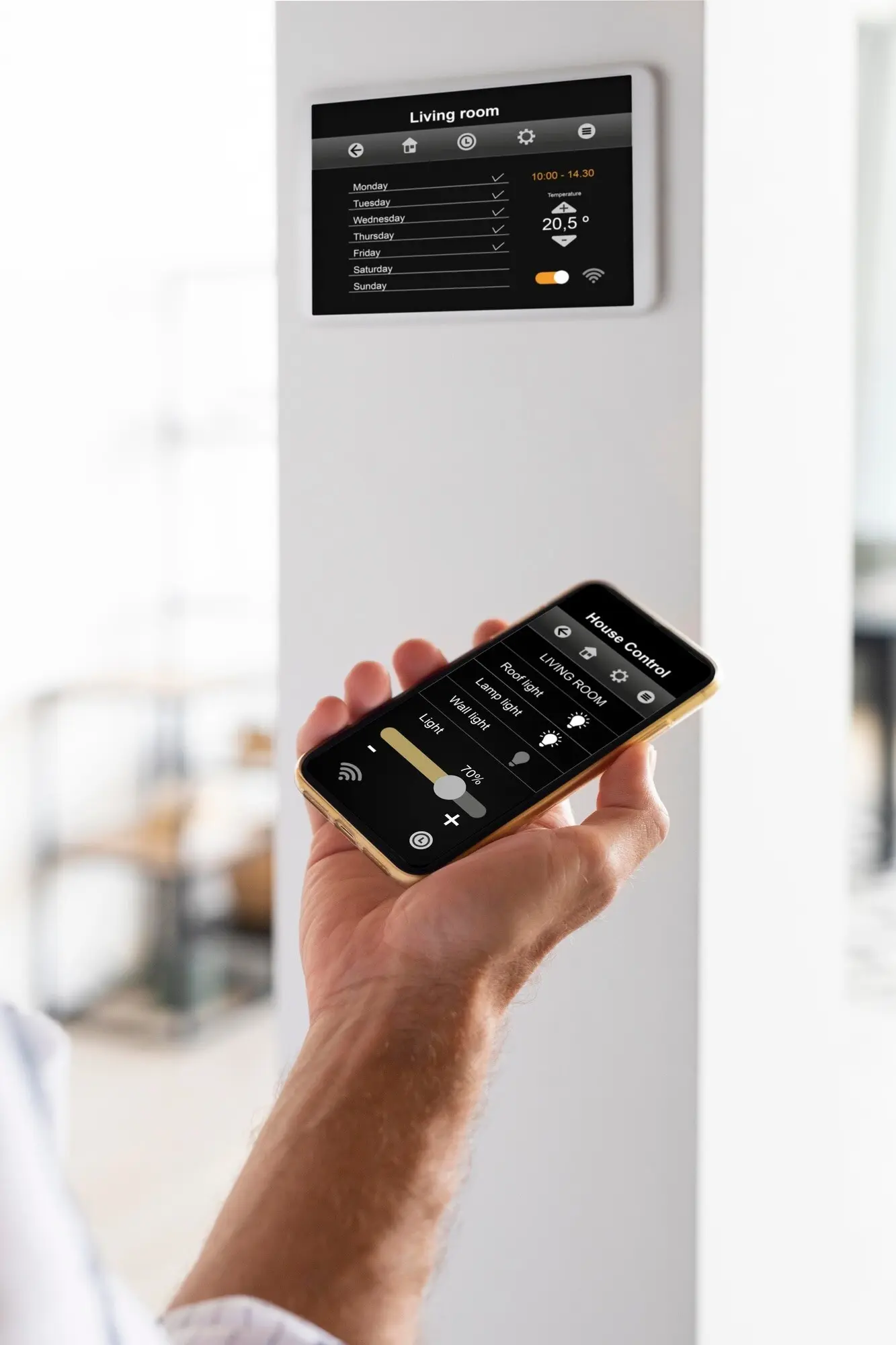
Scenes translate intent into a single touch, protecting calm from cluttered switches. Group ambient, task, and accent circuits thoughtfully so each room has a few purposeful moods: welcome, dine, read, unwind. During a dinner, one client tapped “Conversation,” and the room softened instantly, faces glowed, and dishes sparkled without a spotlight in sight.

Keypads You Can Use Without Thinking

Clear labeling and consistent placement matter more than tech features. Keep names human: Morning, Work, Movie, Goodnight. Group similar rooms with identical button orders to build muscle memory. When controls feel intuitive, guests relax, hosts stop fiddling, and the layered plan quietly supports hospitality rather than stealing attention from the gathering.
Smart Routines That Respect Privacy

Use occupancy sensors sparingly and only where helpful, like pantries or mudrooms. Schedule evening dimming by time or sunset rather than by microphone. Data stays local when possible, and manual overrides remain simple. The goal is calm convenience, not performance theater, so your lighting serves life without broadcasting routines to the entire network.

Layered Scenes for Hosting, Reading, and Rest

Define a few dependable looks: entertaining lifts accents and warms ambient; reading elevates task while muting background; winding down dims everything low and soft. Save levels you love and revisit them nightly. Over time, small adjustments refine the atmosphere, shaping a home that meets you wherever you are with steady, graceful support.

Plans, Heights, and Real-World Spacing

Downlight Spacing That Avoids the Runway

Space fixtures about one to one-and-a-half times their mounting height apart, using wide beams for softness. Center to task, not to the grid, and avoid placing cans directly over heads where glare strikes eyes. The goal is an even field that supports conversation, reading, and art without repetitive, distracting polka-dot ceilings.

Pendant Heights for Dining and Islands

Hang dining pendants so shades sit roughly 28–34 inches above the tabletop, adjusting for sightlines and fixture size. Over islands, stagger brightness with under-cabinet task light. When one family lowered oversized globes just two inches, dinners suddenly felt intimate, faces were beautifully lit, and the room gained gentle, cinematic presence.

Placement Checklists You Can Sketch Tonight

Mark door swings, pathways, and seating before placing fixtures. Add dimmers for each layer, confirm color temperature consistency, and verify that artwork, shelves, and mirrors receive thoughtful attention. Finish with a nighttime walk-through to catch glare. This simple checklist turns aspiration into a reliable plan that protects calm, beauty, and daily ease.

Zatevaxokifaxi
Privacy Overview

This website uses cookies so that we can provide you with the best user experience possible. Cookie information is stored in your browser and performs functions such as recognising you when you return to our website and helping our team to understand which sections of the website you find most interesting and useful.