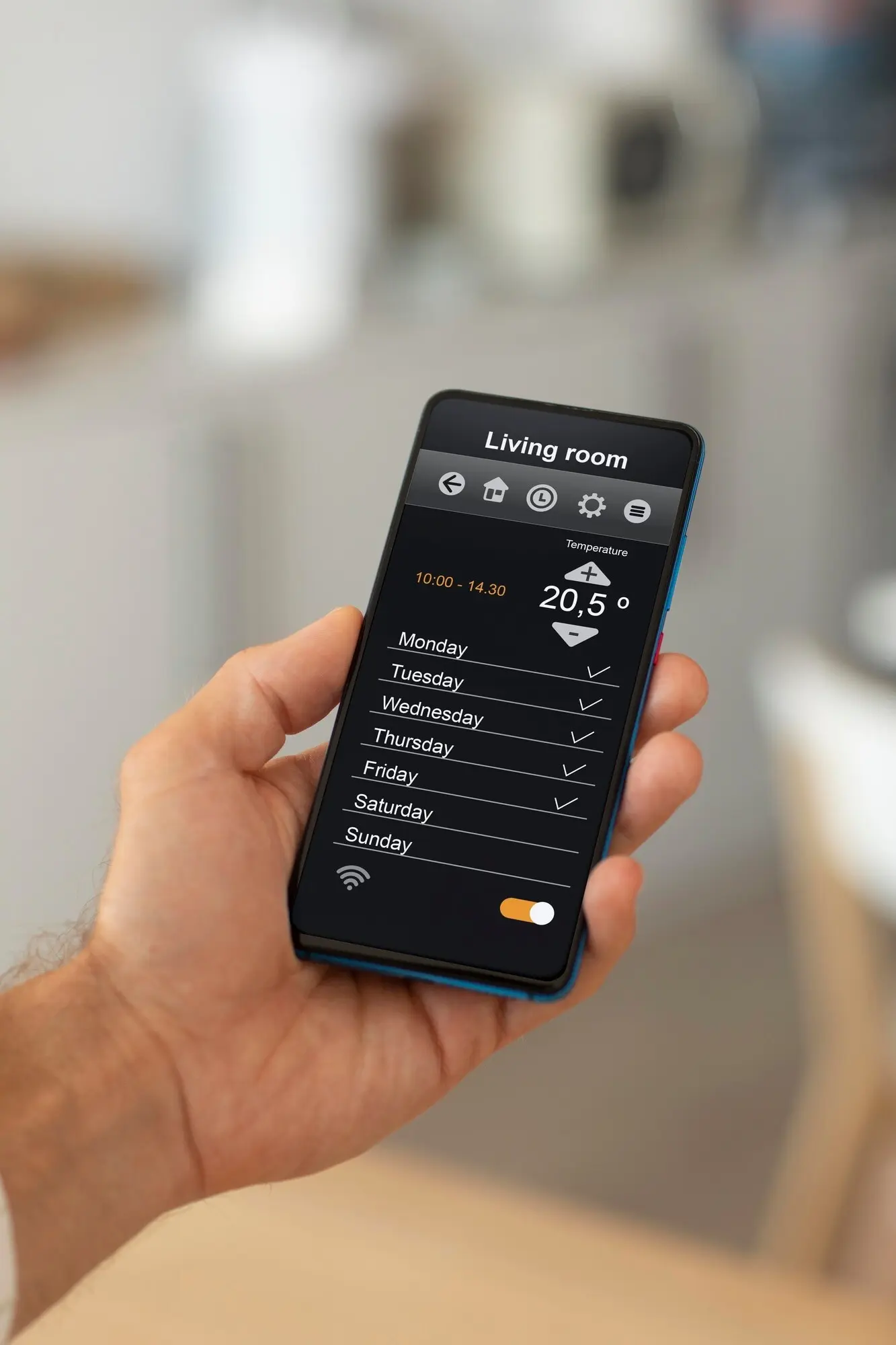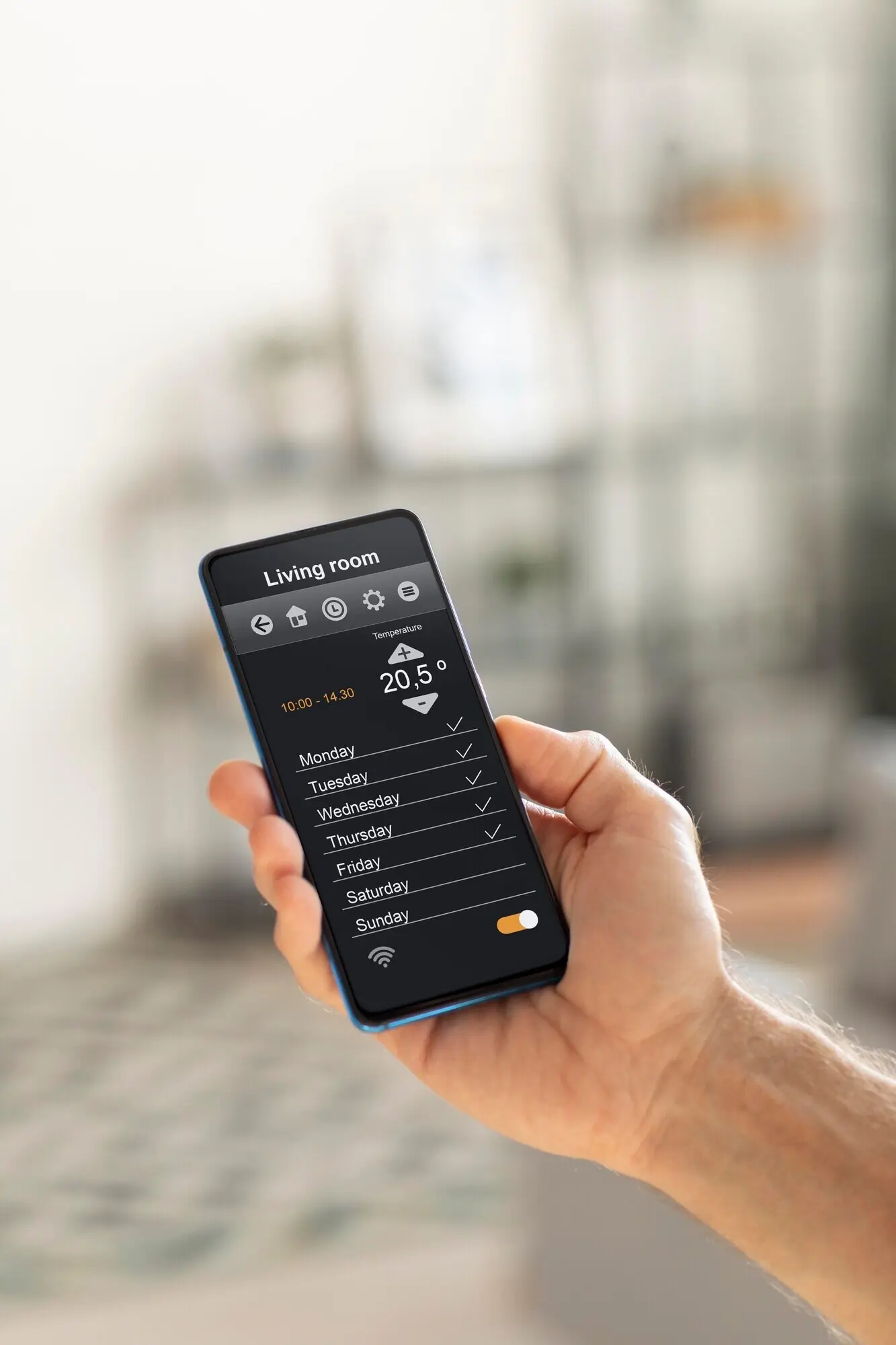
Quiet Technology, Seamless Spaces

Step into a home where technology supports serenity, not spectacle. Today we explore discreet smart home integration for a minimal aesthetic: lighting that anticipates your rhythm, sound that fills without showing, controls that vanish into architecture. Learn practical planning strategies, hardware choices, and mindful habits that keep attention on space, light, and materials. Expect actionable details, honest trade-offs, and inspiring ideas you can adapt room by room.

Principles of Calm Connectivity

Minimal living thrives when every signal, sensor, and switch serves clarity. Start by defining what comfort means—temperature, light, sound, privacy—then remove everything that distracts from those outcomes. Favor automation over interfaces, continuity over novelty, and silence over spectacle. Establish a shared design language across devices so edges align, colors recede, and interactions feel inevitable rather than announced.

Invisible Interfaces

Design for actions that happen without taps. Use occupancy, daylight, and temperature sensors to drive gentle, predictable routines, and let manual controls act as graceful overrides. Place any necessary touchpoints where your hand naturally falls, and choose finishes that match walls or millwork so eyes stay on proportion, texture, and light.

Color, Texture, Light

A quiet palette helps technology recede. Matte whites, soft greys, and natural timber accept light without glare, hiding lenses and grills. Use indirect illumination to soften devices’ presence, and coordinate LED color temperature with paint undertones so scenes feel coherent, soothing, and consistent from sunrise routines to late-night paths.

Cable Discipline

Behind every peaceful room is a ruthless plan for power, low voltage, and airflow. Route conduits early, specify recessed boxes, and allow service loops inside accessible cavities. Label everything. Provide ventilation for hidden hubs so silence is literal, and reliability remains invisible until you need quick, clean maintenance.

Prewire with Purpose

Pull more low-voltage lines than you think you need, but terminate neatly in centralized, ventilated enclosures. Provide Cat6 to ceilings for access points, windows for shades, and strategic corners for presence sensors. Redundancy today avoids surface fixes tomorrow and keeps the room’s quiet integrity intact.

Clever Retrofits

If opening walls is impossible, conceal wiring within baseboard channels, door casings, or wardrobe backs. Low-profile raceways painted to match can vanish entirely. Battery-powered shades and sensors, paired with long-life cells and reliable mesh, bridge awkward spans gracefully while you plan deeper upgrades for later phases and budgets.

Serviceability Without Visual Noise

Hidden does not mean buried forever. Use magnetic panels, push-latch doors, and aligned reveals to access gear without handles. Group connections on labeled plates. Maintain a simple diagram in your household documents, ensuring any future service is swift, predictable, and civilized—without disturbing your carefully composed surfaces.

Architectural Planning and Retrofits

Whether building new or transforming a beloved space, plan the bones to support concealment. Align stud bays with speaker backboxes, center shades within recesses, and frame niches for routers and bridges. In renovations, lean on surface channels that mimic trim shadow lines, preserving calm while enabling upgrades and future service.

Hardware That Disappears

Choose products designed to recede: micro-sensors, in-ceiling speakers, frameless keypads, and slim motor tracks. Prefer matte textures, low-contrast indicators, and quiet motors. Match trim kits to paint. Where exposure is unavoidable, make it intentional, aligning with architectural lines so any visible element looks like part of the permanent composition.

Unified Control That Stays Out of Sight

Deliver comfort through calm, predictable scenes rather than endless buttons. Tie lighting, shades, climate, and audio to time, occupancy, and sunlight. Keep a few tactile controls where they matter, but default to automation and discreet voice, so your home feels considerate, attentive, and blissfully quiet.

Scene-First Living

Define moments—Wake, Work, Cook, Unwind, Away—and map sensors and schedules to support them. A single long-press might start evening: warm dim lights, close sheers, soften music, reduce notifications. By designing around experiences, every interaction shrinks, and the space tells its own calming story. In our last project, a compact loft felt twice as calm when evening arrived automatically, turning the city’s glare into amber quiet and inviting conversation without a single visible remote.

Voice and Gestures Thoughtfully Applied

Use voice for hands-full moments, not as a neon sign. Whisper-level microphones, limited wake words, and context-aware phrases keep noise down and privacy intact. Simple gestures—double-tap a frame, hover near a shelf—can trigger scenes without adding conspicuous controls or training every guest relentlessly.

Privacy, Security, and Reliability, Quietly Managed

A tranquil home also protects attention, data, and routines. Favor local processing when possible, minimize camera fields of view, and segment networks so guests, devices, and work stay politely apart. Back everything with battery support, monitored surge protection, and logs you rarely need because the system simply behaves.

Local-First Automations

When scenes trigger even if the internet blinks, the experience feels trustworthy. Choose hubs and bridges with robust local APIs, and store sensitive routines on hardware you control. This reduces latency, preserves privacy, and keeps the quiet cadence of daily life beautifully uninterrupted.

Network as Furniture’s Quiet Partner

Distribute access points strategically, choosing ceiling locations and low-power settings that reduce overlap while ensuring consistent coverage. Hide gear inside ventilated cabinets, and label every patch. A well-designed network feels like fine joinery—present, supportive, and utterly unremarkable until the moment you ask more of it.
Styling, Habits, and Daily Use

Discretion is a practice, not a trick. Establish storage for chargers, remotes, and headphones. Curate fewer, better objects, and let automation support tidiness—lights guide cleanup, music marks transitions, shades signal bedtime. Share the logic with the household, turning consistency into comfort and inviting participation in quiet beauty. Tell us your favorite micro-habit in the comments, and subscribe for weekly minimalist layouts and automation recipes that protect hush while elevating everyday ease.

Declutter Rituals Backed by Automation

Create gentle nudges that reduce mess without nagging. A soft scene at the same time each evening invites resetting surfaces; a low playlist encourages wrapping up tasks. By linking routine to atmosphere, habits feel chosen, not forced, and spaces stay calm between bigger cleaning moments.

Material Palettes that Harmonize Tech

Choose finishes that welcome devices: limewash, microcement, rift oak, wool felt. These materials absorb light and soften reflections, letting sensors and speakers fade. Repeat textures across rooms so your eye glides, sensing continuity first, and only later noticing the considerate capabilities woven into daily life.

Light as the Softest Interface

Tune color temperature and intensity to support circadian rhythms and focus. Dawn scenes lift gently; afternoon scenes stay clear; evening scenes lower and warm. When light communicates the home’s intent, you touch fewer buttons, enjoy deeper presence, and preserve the quiet graphic balance of every surface.

Zatevaxokifaxi
Privacy Overview

This website uses cookies so that we can provide you with the best user experience possible. Cookie information is stored in your browser and performs functions such as recognising you when you return to our website and helping our team to understand which sections of the website you find most interesting and useful.